Being a pioneer in computer education, Heritage Institute provides top-notch programs that are designed to meet the needs of the ever-changing IT sector. The curriculum at Heritage Institute combines modern technology, experienced teaching, and practical training to give students the skills they need to succeed in different computer-related fields. The institute focuses on innovation and hands-on learning, ensuring that students are well prepared to face the challenges of the digital age. Heritage Institute is the right place to build a strong foundation and start your future, whether your goal is in IT, software development, or any other technology-related career.
BASICS OF COMPUTER
Understanding computer components, operating systems, word processors, spreadsheets, internet browsers, file management, and an introduction to internet usage, including email and online safety, are among the topics that are usually covered in the course. These skills help students gain confidence in navigating and using modern technology effectively.
The major goal of a Tally Accounts course is to instruct students about financial records with Tally.Together with more complex subjects like GST computation, payroll administration, and financial reporting, the course covers the fundamentals of accounting principles, including ledger formation, voucher entry, and inventory management.
In addition to covering design fundamentals like color theory, typography, and layout, the course offers practical instruction in industry-standard programs like Adobe Photoshop, Illustrator, and InDesign. Along with learning how to design digital artwork, brochures, posters, and logos, students will also acquire knowledge of branding and visual communication.
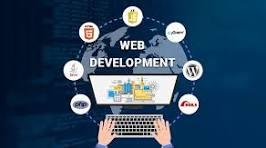
Numerous subjects are usually covered in this course, such as HTML, CSS, JavaScript, Database, React to develop front-end & back-end, and other design concepts like typography, color theory, and layout design. In order to ensure a flawless user experience, students learn how to develop adaptable websites that adjust to multiple devices. Along with technical knowledge, the course frequently places a strong emphasis on user interface (UI) and user experience (UX) design, giving students the skills they need to build visually appealing and intuitive websites.
Search engine optimization (SEO), social media marketing, content marketing, email marketing, and pay-per-click (PPC) advertising are just a few of the topics that are covered in this course. In order to maximize marketing efforts, students study how to develop targeted campaigns, examine internet behavior, and employ data analytics A lot of the course’s practical assignments let students use what they’ve learned in real-world situations equipping them for success in the quick-changing and dynamic world of digital marketing. The course ultimately helps students build the strategic and technical skills needed to thrive in today’s competitive digital landscape.